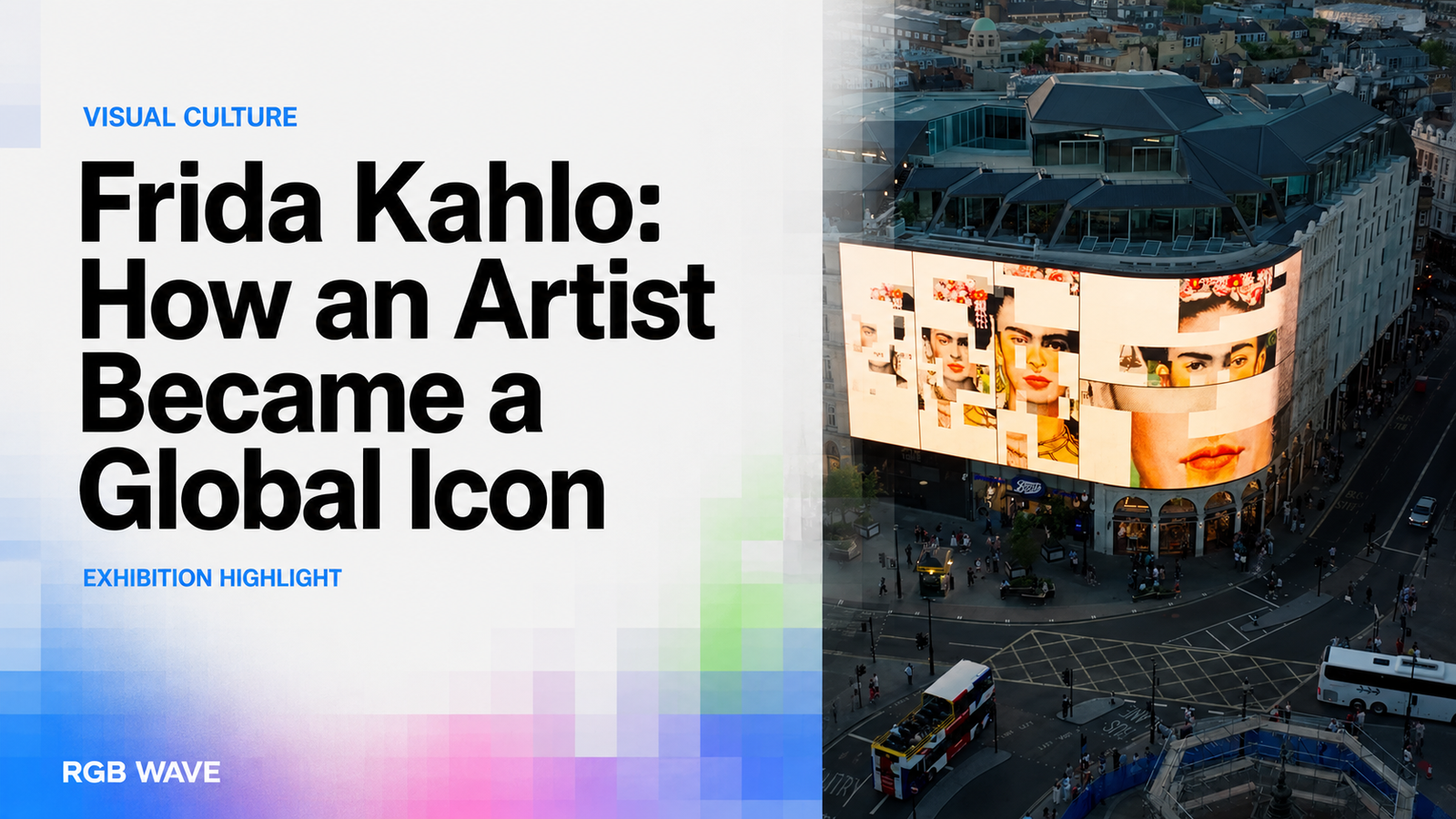
A major Frida Kahlo exhibition examines how the artist became one of the most influential cultural figures of the modern era.
Few artists have crossed the boundaries between art history, popular culture and global branding as profoundly as Frida Kahlo. The exhibition Frida: The Making of an Icon offers a wide-ranging exploration of the Mexican artist’s life, work and cultural legacy, tracing the journey from revolutionary painter to one of the most recognizable visual identities in contemporary culture. Organized by the Museum of Fine Arts, Houston in collaboration with Tate Modern, the exhibition brings together artworks, personal objects and cultural artifacts that reveal the many dimensions of Kahlo’s enduring influence.
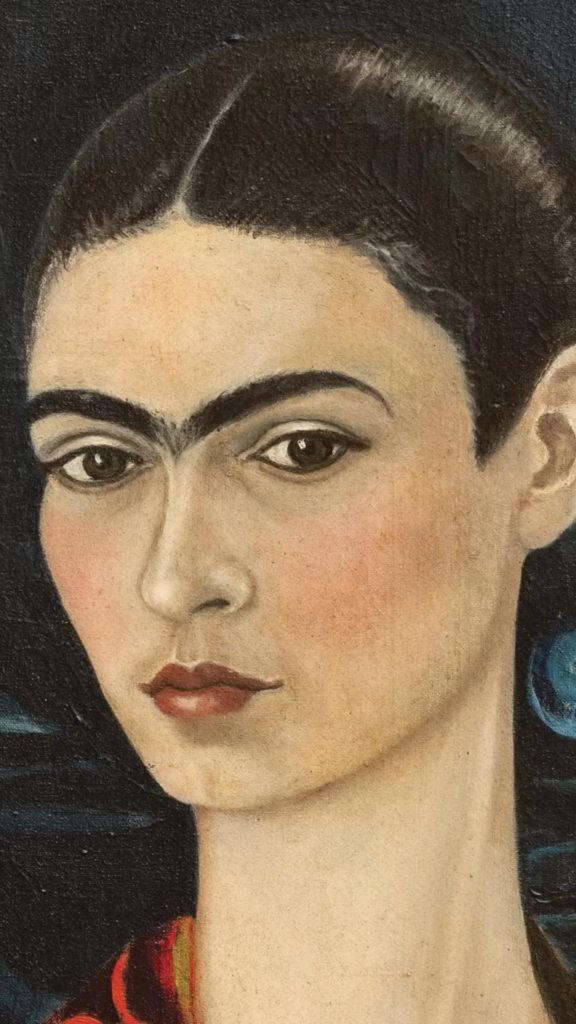
At a moment when artists increasingly exist across physical exhibitions, social media ecosystems and commercial platforms, Kahlo’s story feels remarkably contemporary. Her image circulates globally through fashion, design, merchandise and digital culture, making her not only a central figure in twentieth-century art but also an early example of how artistic identity can evolve into a worldwide cultural phenomenon. For readers interested in more articles on art, technology and digital aesthetics, the exhibition offers a compelling case study in visual culture and image circulation.
The many identities of Frida Kahlo
The exhibition presents more than 30 of Kahlo’s most iconic works, focusing on the different roles she inhabited throughout her life. Visitors encounter Kahlo as an artist, intellectual, political thinker and public figure, revealing a personality that continuously challenged conventional expectations around gender, creativity and self-representation.
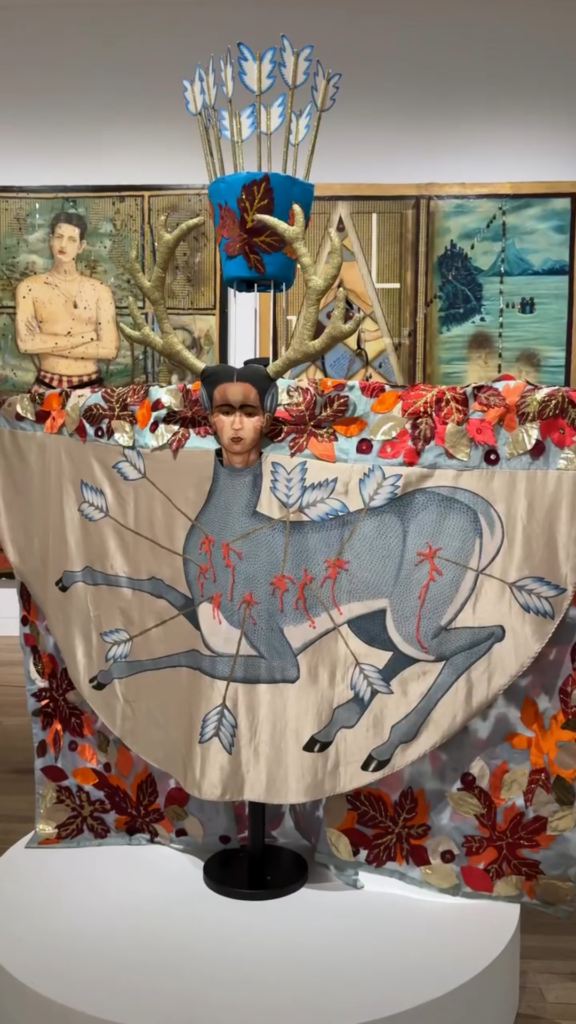
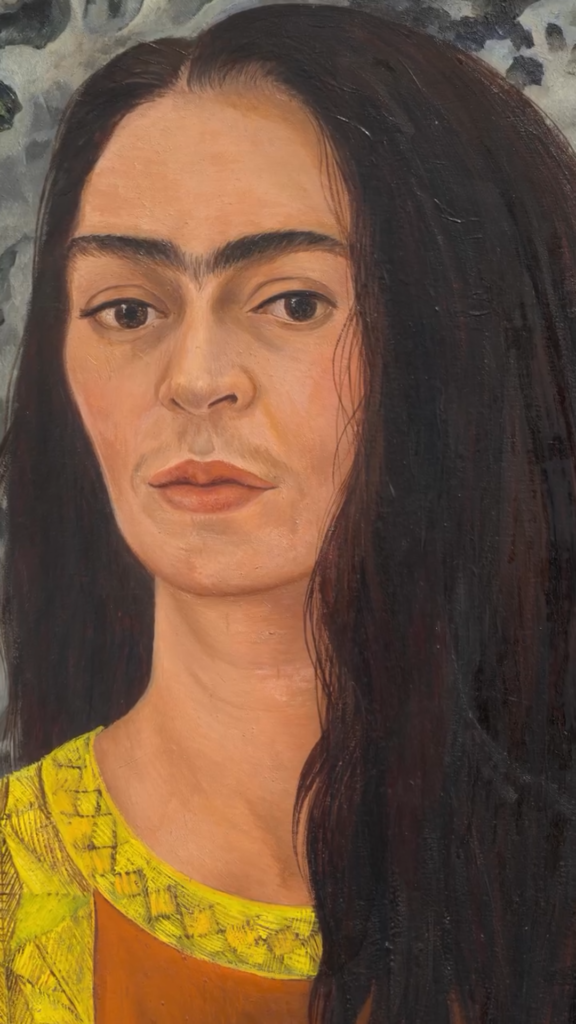
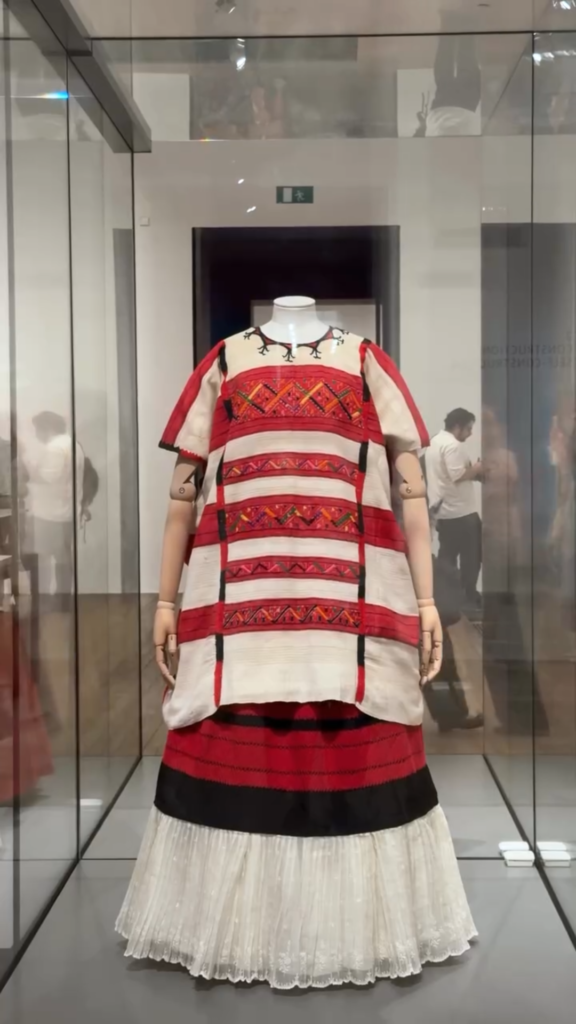
Alongside the paintings, the exhibition includes garments, jewelry, photographs and personal memorabilia that demonstrate how carefully constructed visual identity became part of her artistic language. Long before the age of influencers and personal branding, Kahlo understood the power of image-making as an extension of artistic expression.
From modern artist to cultural symbol
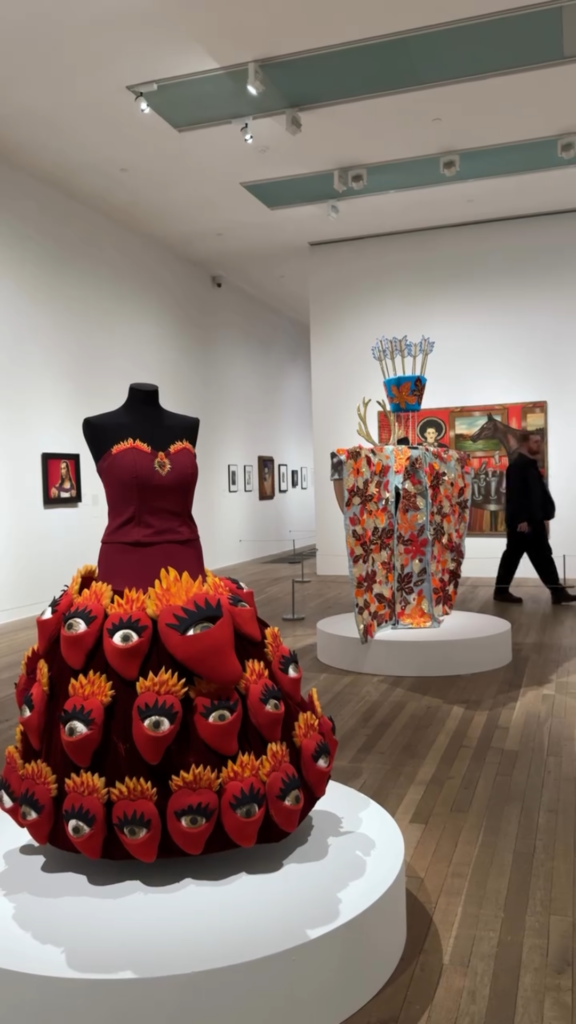
One of the exhibition’s most significant contributions is its broader contextual approach. More than 200 works by contemporaries and later generations illustrate how Kahlo’s influence extends far beyond her own production. Her visual language continues to inspire artists working across contemporary art, fashion, photography and design.
This expanded perspective highlights how cultural icons are not created in isolation. Kahlo’s legacy has been shaped through decades of reinterpretation by institutions, artists and audiences worldwide. Her image functions simultaneously as historical documentation, artistic symbol and contemporary cultural reference point, allowing each generation to discover new meanings in her work.
Understanding Fridamania
The exhibition culminates with an exploration of what has become known as “Fridamania,” examining Kahlo’s transformation into a global commercial icon. More than 200 objects featuring her image, style and artistic legacy demonstrate how deeply she has entered the collective visual imagination.
This section raises important questions about authorship, fandom and cultural consumption. What happens when an artist becomes a brand? How does commercial reproduction affect artistic meaning? Rather than offering simple answers, the exhibition invites visitors to consider how contemporary culture continuously remixes, markets and redistributes powerful images.
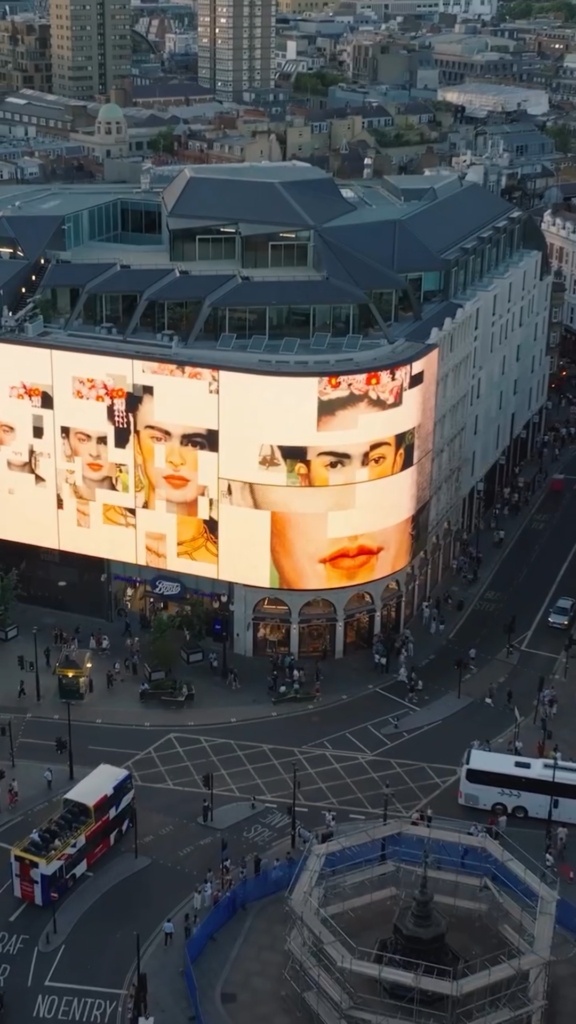
The phenomenon feels particularly relevant in an era dominated by digital platforms, where visual identities can travel across borders instantly. Kahlo’s face appears on everything from books and posters to fashion products and social media content, illustrating how artistic symbols evolve through new channels of circulation.
Art, identity and image circulation
Ultimately, Frida: The Making of an Icon is not only about Frida Kahlo herself. It is also about the mechanisms through which cultural figures achieve lasting visibility. The exhibition explores the relationship between art, identity, media and commerce, offering insights into how images move through contemporary culture.
As institutions such as Tate Modern and the Museum of Fine Arts, Houston revisit Kahlo’s legacy, the exhibition positions her story within larger conversations about visual culture, fandom and global image economies. More than a historical retrospective, it becomes a lens through which to understand how artists continue to shape—and be shaped by—the networks that distribute culture today.