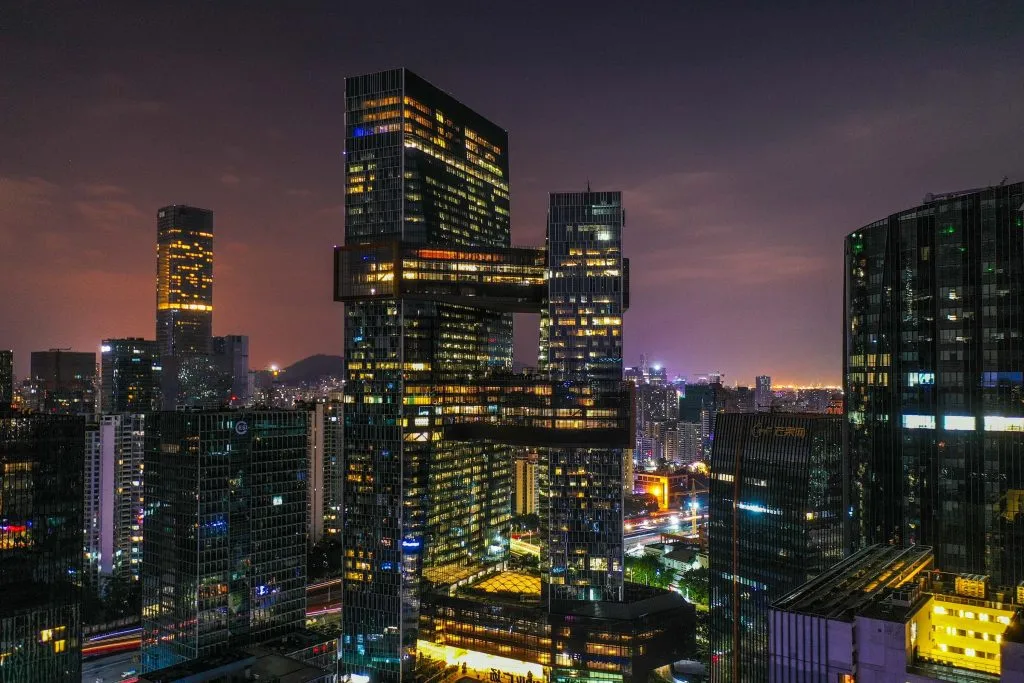
Shenzhen art scene is entering a new phase as major technology companies invest in museums, reshaping the city’s cultural identity.
Shenzhen, long defined by its rapid technological expansion, is beginning to reposition itself within the global art landscape. Known as one of China’s most powerful tech hubs, the city is now attempting to shed its reputation as a “cultural desert” by investing heavily in artistic infrastructure and institutional development.
The shift gained momentum in early 2026, when major technology corporations JD.com and Tencent announced plans to establish new art museums in the city. These initiatives signal a broader transformation: a move from purely economic and technological dominance toward cultural relevance within Asia’s increasingly competitive art ecosystem.
From manufacturing powerhouse to cultural contender
Shenzhen’s evolution is historically tied to its designation as a Special Economic Zone in 1980, which triggered one of the fastest urban expansions in modern history. Today, with a population exceeding 17 million and home to companies like Huawei, DJI, and BYD, the city stands as a global innovation center.
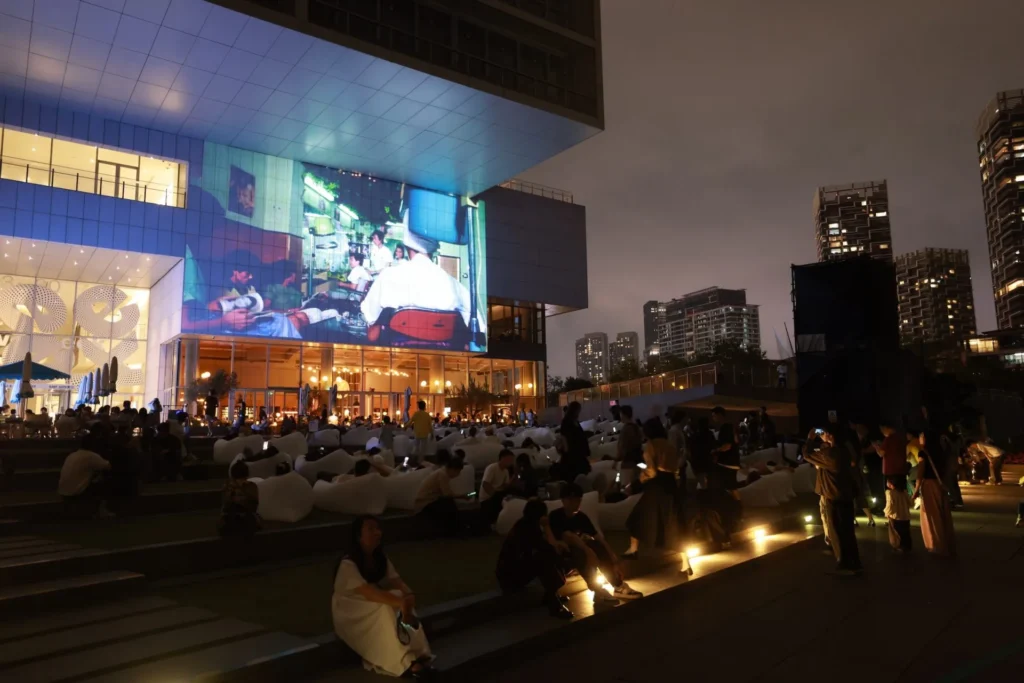
However, its cultural development has lagged behind. Unlike Beijing or Shanghai, where gallery ecosystems and art markets developed earlier, Shenzhen’s artistic infrastructure only began to emerge in the mid-2000s. Institutions such as OCT Contemporary Art Terminal (OCAT), founded in 2005, marked the beginning of a more structured engagement with contemporary art.
In the following decade, the city expanded its cultural ambitions. Projects like the Sea World Culture and Arts Center, designed by Fumihiko Maki, introduced hybrid models combining design, architecture, and exhibition spaces. Still, the city’s identity remained more aligned with design and urbanism than with contemporary art discourse.
Tech companies as cultural agents
The recent museum announcements represent a significant shift: technology companies are now directly shaping cultural infrastructure. Tencent and JD.com are not merely sponsors but active institutional builders, appointing respected figures such as Robin Peckham and Pi Li to lead their initiatives.
One of the most notable projects is the upcoming Róng Museum, directed by Pi Li and scheduled to open in 2027. Conceived as a multidisciplinary platform, the museum will integrate art, architecture, design, performance, and digital media. Its conceptual framework—centered on “integration and convergence”—reflects both the logic of digital ecosystems and the hybrid nature of contemporary cultural production.
Art ecosystems beyond traditional market models
Unlike traditional art capitals, Shenzhen is not developing a gallery-driven market. Instead, its ecosystem is emerging through a combination of state-backed initiatives, fairs, and cross-disciplinary platforms.
Events such as Art Shenzhen and DnA Shenzhen, alongside Shenzhen Art Week, are helping consolidate a local scene that includes galleries, artist studios, and collector-driven spaces. This model reflects a decentralized and experimental approach, aligned with the city’s identity as a laboratory for new systems rather than a replication of established art markets.
Within the broader Greater Bay Area—comprising Hong Kong, Macau, and several cities in Guangdong—Shenzhen is carving out a distinct role. While Hong Kong remains the international market hub and Guangzhou maintains strong academic traditions, Shenzhen is positioning itself as a site of convergence between technology and culture.
A new model for cultural development
Shenzhen’s transformation raises a critical question: can a city built on speed, efficiency, and technological growth successfully cultivate a sustainable cultural ecosystem?
The answer may lie in its ability to redefine what an art scene looks like in the 21st century. Rather than relying on legacy institutions or historical prestige, Shenzhen is leveraging its strengths—innovation, capital, and infrastructure—to construct a new kind of cultural framework.
This shift also resonates with broader global tendencies, where material experimentation and conceptual reuse are gaining visibility across digital platforms. Projects like the recycled ceramics practice of Kendall Traylor highlight how contemporary artists are transforming discarded materials into culturally resonant works, reflecting a growing intersection between sustainability, aesthetics, and viral circulation. While emerging from a different geographic and institutional context, this type of practice aligns with Shenzhen’s evolving identity—one that values innovation not only in technology but also in how artistic meaning is constructed and disseminated.
In this context, the intersection of art and technology is not merely thematic but structural. Museums, fairs, and institutions are being conceived with digital media, interdisciplinary practices, and global connectivity at their core.